
A SNIFR Editorial Guide · 2026 Edition
Barcelona with your Dog. The Guide Nobody Else Will Give You.

Finding a flat in Barcelona is already, by itself, an endurance sport.
Now do it with a dog.
Suddenly half the listings disappear. Another quarter has building regulations that seem written by someone who has never encountered a golden retriever. And the rest — well, the rest is outside your budget or in a neighborhood where your dog would spend ten hours a day staring at the ceiling.
🌺 But Barcelona can be lived very well with a dog. If you know where to look.
This guide exists because that information isn't on Idealista. It isn't in WhatsApp groups or in any filler article generated at two in the morning by an algorithm. It's here — built at ground level, neighborhood by neighborhood, from the experience of people who have been navigating this for years.
This isn't the guide someone wrote to fill a webpage. It's the guide you wish you'd had before signing the lease.
What Nobody Puts in the Listing
Before we talk about neighborhoods, let's talk about the invisible layer.
Living with a dog in Barcelona means navigating three overlapping levels of regulation that sometimes contradict each other: Catalan law, the municipal ordinance, and the building's community regulations. The last one is, in practice, the most important. And the most arbitrary.
What the Law Says — and What Actually Happens
The good news is real: in Catalonia, the Llei 12/2006 on animal protection establishes that homeowners' associations cannot generically prohibit keeping pets in a flat. What they can regulate is the use of shared spaces.
The complicated news is also real: many buildings have bylaws drafted before that law, or have applied creative interpretations of it since. The practical result is landlords who tell you "no dogs allowed" when technically they cannot prohibit an animal inside the flat — but they can write that condition into a private rental contract. And if you sign it, you're bound by it.
The difference between knowing this and not knowing it can be the difference between a home that works and one that becomes a source of conflict for years.
Ten Neighborhoods. No Filters, No Sponsorships.
We've evaluated ten Barcelona neighborhoods across five categories that actually matter: accessible green space, local dog culture, rental prices, transport connectivity, and the genuine tolerance of building communities.
No inflated scores. No sponsored content. Just what we found.
👍 Gràcia — The Neighborhood That Understands Life with a Dog
Few parts of Barcelona have the density of plazas, the human scale, and the community culture that Gràcia has. The Plaça de la Vila, the Plaça del Sol, the Plaça de la Virreina — these are real meeting points, not decorative gardens. They're places where dogs and their owners have spent decades building a social network that doesn't need an app to function.
Local businesses are noticeably tolerant. Terraces are generous. Green space is accessible. And the rent, while no longer cheap, is still more reasonable than the Eixample Dreta for what you get in return.
For medium-sized, sociable dogs — Cockers, Beagles, Schnauzers, French Bulldogs — this is probably the most balanced environment in the city.
🌳 Sarrià-Sant Gervasi — The Mountain as a Backyard
If you have a high-energy dog — a Husky, a Border Collie, a Labrador that genuinely needs to run — this neighborhood changes the entire equation.
Direct access to Collserola from here isn't a minor advantage. It's structural. A Border Collie with daily access to fifty square kilometers of hills is a completely different animal from the same dog trapped in the Eixample. Calmer. More balanced. Easier to live with.
The rental prices reflect this quality. It's the most expensive neighborhood in this guide. But for certain breeds and certain lifestyles, the math works out.
💥 Horta-Guinardó — The City's Best-Kept Secret
People who have lived in Barcelona for decades rarely mention this neighborhood to newcomers. With good reason.
The Parc del Laberint d'Horta. The access to Collserola from the less crowded northeast side. The quieter, more genuine building communities you'll find anywhere in the city. Rental prices that still allow you to live with real space and real dignity.
For dogs in behavioral rehabilitation or with reactive tendencies, Horta-Guinardó offers something the city center simply cannot: genuine space, stimulation without sensory overload, and neighbors who don't panic when an animal is still learning to be comfortable in the world.
🎉 Poblenou — The New Barcelona That Welcomes

Poblenou has moved from industrial neighborhood to one of the most interesting urban environments to live with a dog in Barcelona.
The Rambla del Poblenou — unhurried, tree-lined, with terraces where dogs are treated as regular customers. The Parc de la Ciutadella fifteen minutes on foot. The Parc del Fòrum and the coast another ten. And a resident community that is young, international, and noticeably tolerant — making this one of the most genuinely dog-friendly neighborhoods in the city through culture, not through policy.
For medium-sized, adaptable dogs, it shares first place with Gràcia. The choice comes down to whether you prefer village scale or reimagined industrial energy.
🤩 Eixample — The Dense Neighborhood That Works If You Use It Right
The Eixample has a reputation for being a difficult environment for dogs. That reputation is partly deserved and partly unfair.
The unfair part: the density of veterinary clinics, specialist shops, groomers, and daycares in the Eixample has no rival in any other neighborhood. The logistics of having a dog here are easier than anywhere else.
The deserved part: the interior courtyards — the green spaces that should be the neighborhood's lungs — are inconsistent. Some are well-equipped for dogs. Others are purely decorative. Before signing a lease in the Eixample, investigate the inner courtyard of the specific block. That detail matters more than the square footage of the flat.
For small dogs or low-impact breeds, the Eixample works well. For large, high-energy dogs, it's a real gamble.
🐕 Sant Martí — Space Where the Center No Longer Reaches
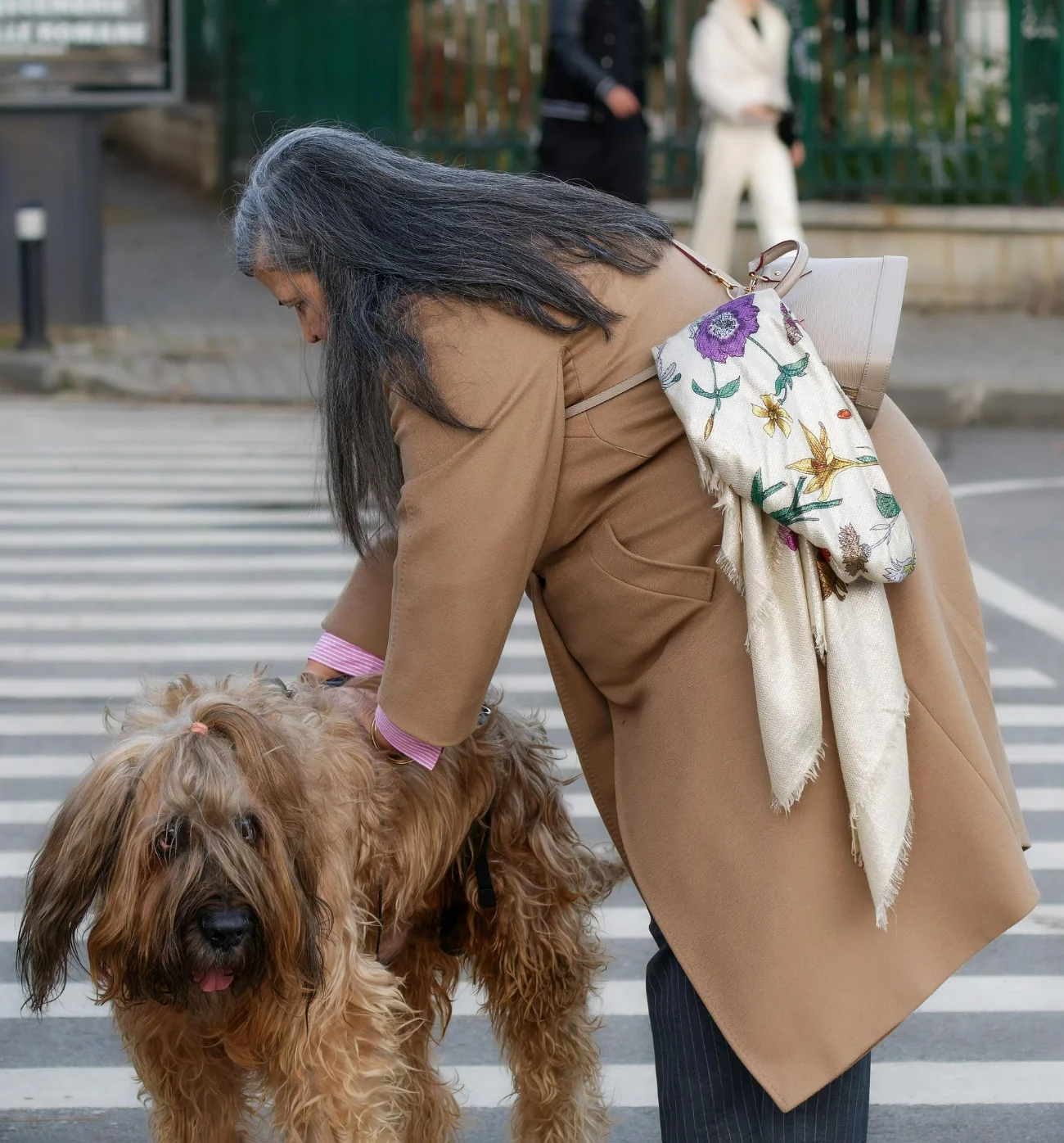
Sant Martí is the neighborhood that's still growing. More space than the Eixample, more contemporary than Gràcia, with coastal access and rental prices that still have some room.
Dog density is high and dog culture is too. The district's parks have well-maintained off-leash zones. Transport links work. And the proximity to the waterfront adds a dimension of walking that inland neighborhoods simply can't offer.
☑️ Nou Barris — The Community Nobody Is Watching
Less visible in the usual guides. More real in what it actually delivers.
Nou Barris has space. It has building communities with decades of genuine social fabric. It has rental prices that let you choose a flat on its actual merits, not only on what you can afford. And it has a neighborhood culture — in the most literal, most human sense of the word — that the city's more visible districts have been slowly losing for years.
For dogs that need decompression, room, and quiet, Nou Barris is an honest answer that the city doesn't advertise but that genuinely works.
Before You Sign, These Questions
The most expensive mistake a dog owner can make in Barcelona isn't choosing the wrong neighborhood. It's signing without asking.
There are ten questions that should be asked — ideally in writing, ideally before any pressure to decide exists. They're not hostile questions. They're the questions of an adult thinking about real cohabitation, not ideal cohabitation.
The first and most important: ask for the building's community regulations. Not the landlord's verbal assurance. The actual document. If it doesn't exist or can't be provided, that's already information.
Is there a lift? With a large dog, a fourth-floor flat without an elevator isn't an inconvenience. It's a daily living condition that accumulates weight over time.
How many other dogs are already in the building? If the answer is two or three, that's the best possible signal. It means the community has already decided that animals are part of the building's life.
Does the contract include a no-pets clause? If so, negotiate before signing. If the landlord won't negotiate, that too is information.
Is there a neighbor with a documented allergy or a previous conflict involving animals? Better to know now than in a municipal mediation office six months in.

The most practical question — and the one that reveals the most about how the landlord thinks: how is access to the lobby managed when the dog comes in wet or muddy? There's no right answer. But the way they respond tells you whether they've thought about real cohabitation or just the monthly payment.
The Neighborhood That Fits Your Dog, Not Just You
The most common mistake when searching for a flat in Barcelona with a dog isn't choosing the wrong neighborhood for yourself. It's choosing the wrong neighborhood for the animal you're going to share those four years of tenancy with.
Living here with a Chihuahua is not the same as living here with a two-year-old Malinois. A calm, older dog is not the same as a Border Collie puppy that needs three hours of real activity a day to avoid emotionally unraveling — and taking the sofa with it.
✅ For High Energy — The Mountain Is Not Optional
Sarrià-Sant Gervasi and Horta-Guinardó for Huskies, Border Collies, Goldens, Labradors, and any breed built to run, herd, or work. Without daily access to real space and genuine physical outlet, these breeds aren't difficult. They're impossible.
The mountain isn't a luxury for them. It's a functional necessity. Having it fifteen minutes on foot transforms the entire cohabitation experience.
✅ For Social Balance — The Plaza as Ecosystem
Gràcia and Poblenou for medium-sized, sociable dogs that need stimulation, contact, and movement without the intensity of high-energy demands. The combination of lively plazas, tolerant cafés, and accessible parks creates the ideal environment for these dogs — and for their owners, who also need a social life.
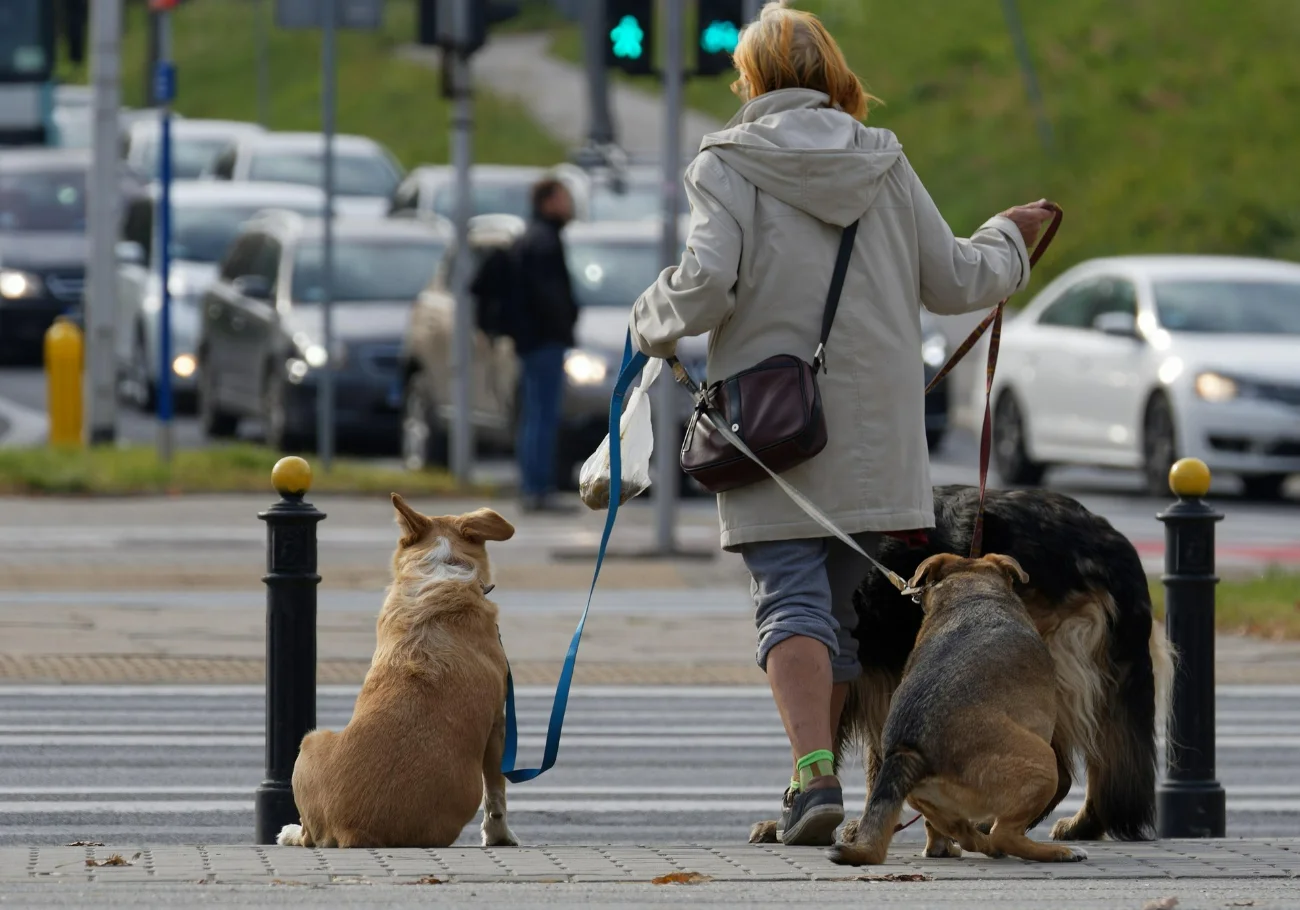
✅ For Compact Urban Life — Logistics as Quality
Eixample and Sant Martí for small or low-impact dogs whose owners value service density, transport connectivity, and city life in its most accessible form.
In Barcelona, small dogs in a carrier travel free on the metro. That's not a trivial detail when the vet is on the other side of the Eixample and the groomer has no parking.
✅ For the Dog That Needs Time — Space as Therapy
Horta-Guinardó and Nou Barris for dogs in behavioral rehabilitation, with reactive tendencies, or that simply need to decompress away from the saturation of the city center. Fewer people, more space, quieter communities. For an animal that's still learning to trust the world, that isn't a compromise. It's the basic condition.
The Services Worth Finding Before You Need Them

Having a dog in Barcelona isn't just walks and plazas. It's an ecosystem of services that, when it functions well, makes daily life significantly easier. And when it's missing, you feel it in every direction.
💲 The Primary Vet — Not the Cheapest, the Right One
The nearest 24-hour emergency clinic should be saved in your phone before your dog eats something it shouldn't on a Saturday night with its eyes wide. Because that moment comes. And when it does, your brain won't work the way you need it to under panic.
The best vets in Barcelona have waiting lists for new patients. Find them during a calm check-up visit, not an emergency. Watch how they handle the animal, how clearly they explain things, whether the medical history is properly managed. That relationship, built over years, is worth more than any discount.
💲 The Trainer — and Why the Method Matters More Than the Price
The range of dog training in Barcelona is wide. There's a great deal of good, and there's a great deal that causes lasting damage.
Avoid any method based on correction, dominance, or submission. These frameworks aren't just ineffective long-term — they generate additional behavioral problems that are harder to resolve later. Look for trainers certified by the IAABC or CCPDT, or with qualifications in Clinical Ethology.
The best centers in the city have waiting lists of two to four weeks. Sign up before the problem becomes urgent. The difference between a dog that enjoys every walk and one that turns it into a daily battle is, almost always, a good trainer found in time.
The market for dog care services in Barcelona grew forty percent between 2022 and 2026. The city has the services. The key is knowing where they are before you need them.
💲 Dog Sitters and Daycares — The Network You Need Before the Emergency Exists
Platforms like Rover, Gudog, and Pawshake allow filtering by neighborhood and show verified ratings. Day care prices range from around 25 to 40 euros per day depending on the area and service. The zones with the highest supply are Gràcia, Eixample, and Poblenou.
But the highest value isn't in the platform. It's in the neighbor on the fourth floor who has seen your dog a dozen times and knows its quirks. In the person downstairs who genuinely loves animals. Those relationships are built slowly, with time, over coffee. Start building them before you need them.
What the Law Requires — and What You Can't Afford Not to Know
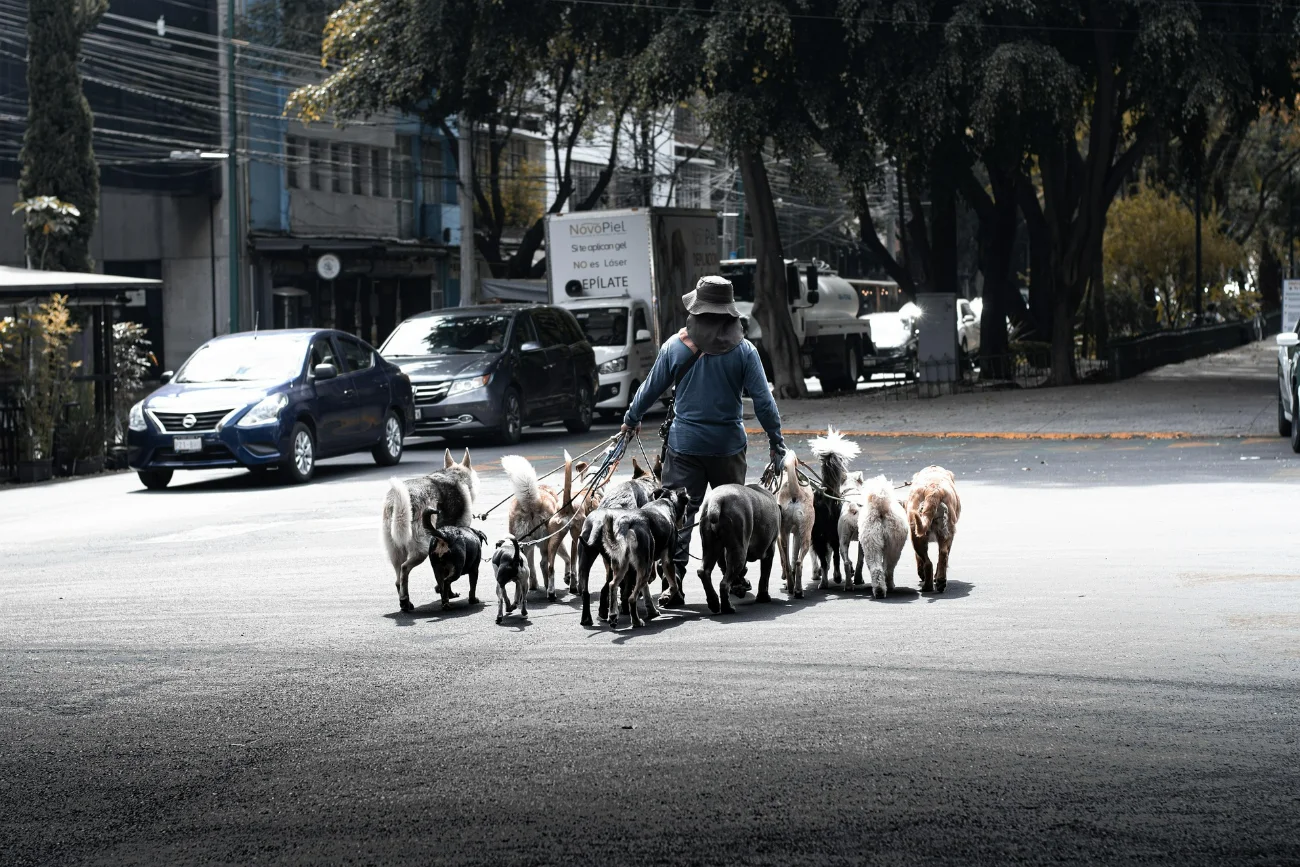
Across all of Barcelona, the core rules don't vary by neighborhood. And not knowing them doesn't exempt you from the fine.
A microchip is mandatory — without one, your dog is legally invisible if it gets lost. Municipal registration must happen within the first three months of ownership. A leash is required in all public spaces outside designated off-leash zones. Waste must be collected on all public ground, with fines reaching five hundred euros in some districts.
⚠️ For breeds classified as potentially dangerous — Pit Bull, Presa Canario, Fila Brasileiro, Rottweiler, among others — requirements are additional and non-negotiable: a special municipal license, third-party liability insurance with a minimum coverage of one hundred twenty thousand euros, a muzzle in public spaces, and a non-extendable leash under two meters. Operating without these requirements can result in the animal being removed.
Animal welfare regulations are in continuous evolution. Municipal ordinances change. SNIFR tracks relevant updates as they're confirmed.
The Questions Everyone Has, Answered Directly
Every dog owner in Barcelona eventually needs to know the answers to the same handful of things. Here they are, without padding:
Can dogs travel on the Barcelona metro? Yes. Small dogs in a closed carrier: free. Medium and large dogs with a muzzle and short leash: a regular single fare. No time restrictions, though navigating a packed rush-hour carriage with a German Shepherd is, at minimum, an exercise in urban negotiation. Weekends are considerably more comfortable.
What happens if my dog barks and a neighbor complains? The municipal ordinance on civic coexistence establishes that interior residential noise must not exceed 30 dB during night hours. A dog that barks continuously can generate a formal complaint. The solution is not legal — it's behavioral. A good trainer using positive reinforcement resolves ninety percent of excessive barking cases within four to eight weeks.
Can my dog be in the building hallway without a leash? No. Common areas — hallways, lifts, lobby, garage — are treated as public space under Barcelona's animal regulations. Leash required at all times. It sounds strict, but it's what prevents the conflicts that are much harder to resolve once they've started.
Are there any municipal support schemes for dog owners? The Barcelona city council doesn't offer direct financial assistance for dog owners in 2026. Municipal registration — which is mandatory — is free. Sterilization at partner clinics is available at reduced cost for families at risk of social exclusion. Some animal welfare associations offer veterinary cost support in documented cases of financial hardship.
Barcelona Is Yours. And Your Dog's.

Living in Barcelona with a dog isn't easy.
But it's not the ordeal some people describe, either. The key is choosing the right neighborhood, asking the right questions before signing anything, and building a network of services and community around you. Dog owners in Barcelona tend to know each other, support each other, and share information generously. That community already exists. Use it.
If there's one thing worth carrying forward from this guide: don't optimize only for price or square meters.
Optimize for quality of life — yours and your dog's. A smaller flat in Gràcia with a plaza nearby is worth more, in terms of real daily wellbeing, than a large flat in a neighborhood where you'll dread every walk.
The city you live with your dog is not the city on the maps. It's the one you build walk by walk, plaza by plaza, familiar face by familiar face.
And if a neighbor gives you a look in the lift with your dog — relax. It's Barcelona. There's always a café you can walk into with them.
🐾 SNIFR — the platform where urban dog owners discover, connect, and build the city they want to live in.
snifr.com · @snifr_app