
A SNIFR Editorial · 2026 Edition
The City You've Been Missing
There are two kinds of people in any neighborhood.
Those who move through it — point A to point B, earbuds in, eyes forward, the city as wallpaper. And those who actually inhabit it. The ones who know the name of the woman who runs the corner newsstand. The ones who notice which bakery leaves a single warm light on after closing, which bench catches the last sun in October, which alley fills with jasmine in May.
Pet owners, almost without exception, belong to the second kind.
Not because they're more observant by nature. But because something pulls them out the door at 7am before their coffee is ready, into the cold, into the rain, into the unhurried rhythm of a city that most people only see from the inside of a taxi window. Something with four legs and an uncomplicated joy about the morning.
A pet doesn't just change your routine. It changes your relationship with the place you call home.
This is the guide we've wanted to write since SNIFR began. Not a listicle. Not a how-to. A real companion for the kind of city life that feels — even on the difficult days — like something worth choosing.
What Happens When a Dog Meets a City

Urban sociologists have been quietly documenting something for decades that any dog owner already understands in their bones: animals are social catalysts.
They dissolve the invisible membranes that modern city life builds between people. The ones that make it possible to share an elevator with the same face for three years and never learn the name attached to it.
Before you had a dog, you probably knew two neighbors: the one downstairs and the one upstairs who occasionally complained about noise. Within six months of having a dog, you know María from the third floor, whose Cocker Spaniel is named Mango and has an obsession with plastic bags. You know Pedro, the retired teacher who walks his Beagle every morning at eight sharp. You know the young man on the ground floor who adopted a greyhound last spring and is still learning what he got himself into.
The dog did that. Not you.
⚠️ The Triangle That Makes Cities Livable
There's a concept in urban welfare research — a triangle between the pet, the person, and the neighborhood — and the insight is this: when one improves, the other two tend to follow.
A happy, stimulated pet creates a more grounded, physically active owner. That owner, feeling genuinely connected to where they live, experiences less loneliness and a stronger sense of belonging. And a neighborhood with a real culture of coexistence around animals becomes more socially cohesive, more economically alive, more human.
The loop closes. The feedback is real. And it begins the moment you clip on the leash and walk outside.
How to Read Your Neighborhood Like a Pet Owner
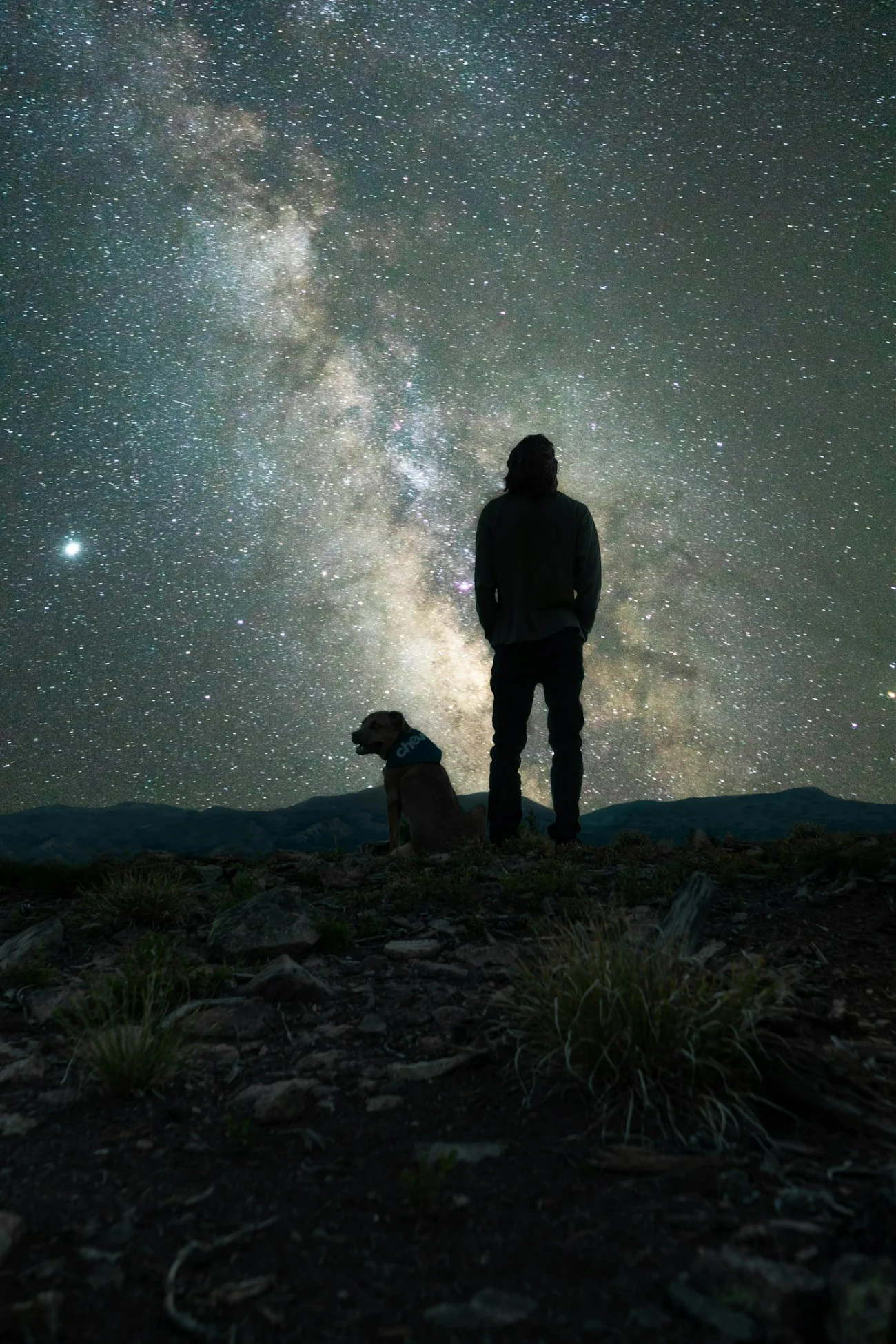
No neighborhood is perfect. But there is one that works — for you and your animal, at this particular moment of your life. Learning to read a neighborhood through this lens changes how you see the city entirely.
The first thing you learn to notice is green density. Not whether a park exists in theory, but whether it's genuinely within ten minutes on foot, whether it has a shaded off-leash area, whether it has grass or only packed gravel, whether it's large enough for a dog to actually decompress rather than just circle. A postage stamp of lawn between two parked cars is not green space. It's an apology.
The second is street quality. Wide sidewalks where your dog doesn't have to press against the wall. Curb cuts at every crossing. Drinking fountains that actually have water. Waste bins that are emptied. Small infrastructure details that, taken together, determine whether your daily walk feels like movement through a thoughtful city or an obstacle course.
A neighborhood designed for animals is a neighborhood designed for people. The two things are rarely separable.
Then comes the question of culture — and this one doesn't appear on any map. Do local businesses welcome dogs, or merely tolerate them under sufferance? Do your neighbors meet your eyes in the hallway? Is there an informal network of people who look out for each other's animals? Culture can't be measured in square meters, but you feel it within the first week of living somewhere.
And finally, there's connectivity — the ability to escape. For high-energy breeds, for owners who need wild air on weekends, the thirty-minute radius matters. Cities with green belts, forest paths, or coastline within half an hour of the center hold a structural advantage that compounds across the seasons. The city is where you live. The edge of it is where you breathe.
The Seven Things Worth Finding Before You Need Them

There's a kind of urban preparedness that has nothing to do with anxiety and everything to do with ease. Knowing where things are before you need them. Building the ecosystem of your life with a pet the way you'd build anything worth building — with intention, before the emergency.
✅ The Vet Who Knows Your Dog's Name
Not the most advertised. Not the clinic with the nicest waiting room. The one where the person behind the desk remembers what your dog is afraid of, where the doctor has the medical history and knows what questions to ask, where you don't feel like a number on a queue.
A vet within fifteen minutes on foot or transit is not a luxury. When your dog has eaten something it shouldn't have at eleven on a Tuesday night, that fifteen minutes is everything. Find this person during a calm visit, not a crisis. Watch how they handle the animal. Notice whether they explain things or just process you. That relationship, built over years, becomes one of the most valuable you have.
✅ The Groomer Who Doesn't Rush
For breeds that require regular cutting — Bichons, Poodles, Schnauzers, Yorkshires — grooming is a monthly rhythm. The salon that treats the visit as a transaction is very different from the one where your dog steps inside without hesitation. Find the second kind. The difference between a dog that dreads the groomer and one that's simply bored by it is enormous, and it comes down entirely to the quality of that early relationship.
✅ The Nutrition Shop That Asks Questions First
The market for pet food has transformed completely in a decade. There are now shops with nutritional consultants, fresh raw feeding options, therapeutic diets, targeted supplements for specific conditions. The difference between feeding an animal from one of these places versus from the pet aisle in a supermarket shows up over years, not weeks.
If your neighborhood has a shop like this, you're ahead. If it doesn't, that's information too.
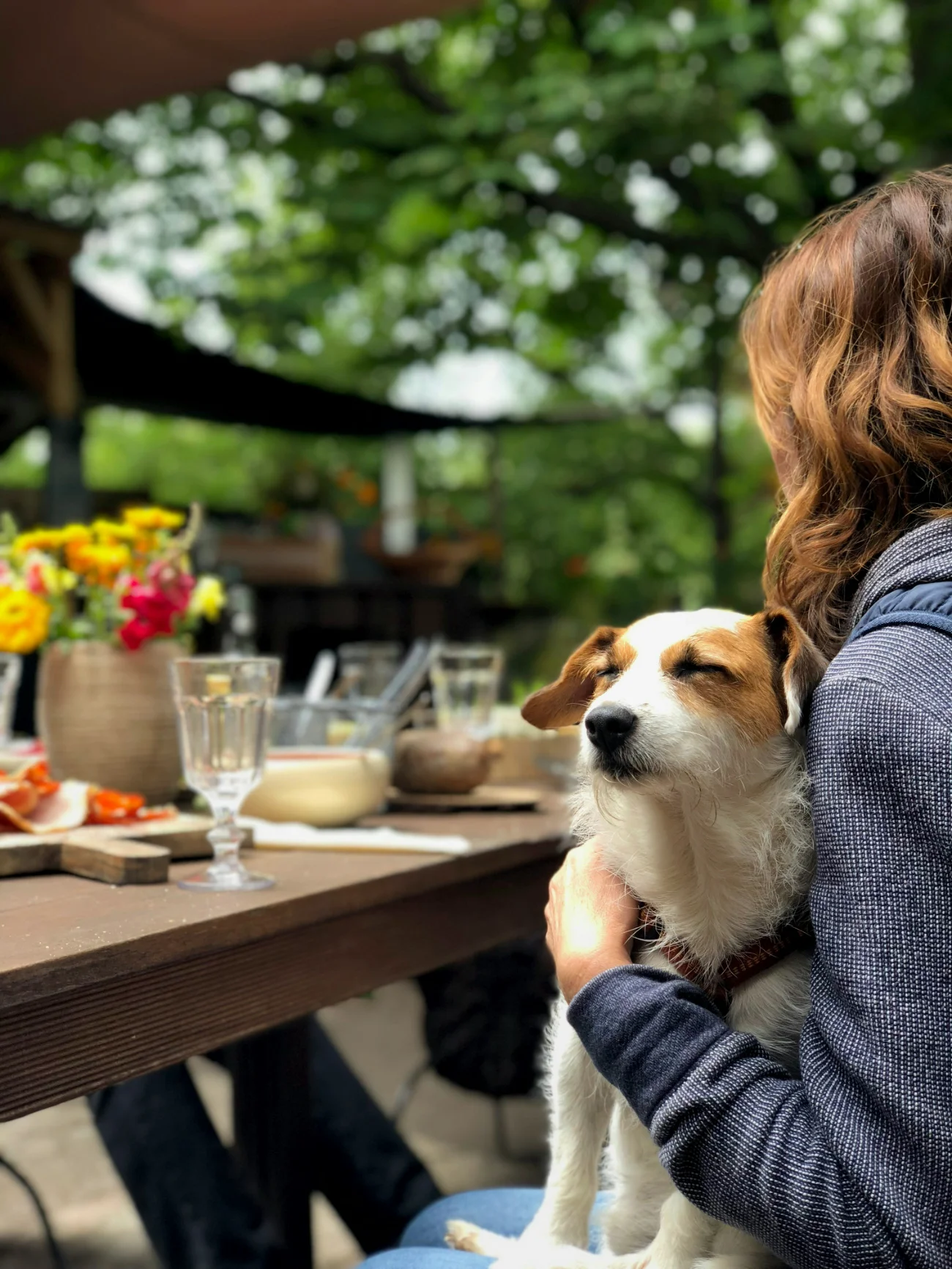
✅ The Dog-Sitter Who Is Actually a Neighbor
This is the service people think about last and need most. The day an unexpected meeting runs long. The work trip that comes up with thirty-six hours notice. The afternoon when you simply can't.
Apps that connect you with certified pet-sitters are useful. But the neighbor on the fourth floor who has watched your dog twelve times and knows its quirks, the young woman downstairs who genuinely loves animals — that relationship has a warmth and a reliability that no platform rating system can manufacture.
Build it before you need it. Have coffee. Make the introduction on a good day. Let your dog spend a casual afternoon there before the first real emergency.
✅ The Trainer Who Teaches You, Not Just the Dog
Most behavioral challenges in urban pet life have solutions. Excessive barking. Leash reactivity. Separation anxiety. The pulling that makes every walk feel like a power struggle. These are not character flaws in an animal. They are learned patterns that can be unlearned.
A good trainer using positive reinforcement is one of the highest-return investments you can make. Not because your dog will be obedient — but because you'll understand each other better, and understanding changes everything.
Avoid any trainer who speaks of dominance, submission, or pack hierarchy. These are outdated frameworks, long since replaced by behavioral science. Look for verifiable certifications. Ask for references. Go watch a session before committing.
✅ The Places That Say Yes
The coffee shop on the corner where your dog is welcomed rather than endured. The restaurant terrace where a bowl of water appears without asking. The small hardware store where a quick errand stays a quick errand.
These places make the difference between a city that accommodates your life and one that merely permits it.
The culture of dog-friendly commerce grows through use. Spend where animals are welcomed. Tell the owners why you come back. Gently mention it to the places that haven't made up their minds. Cultural change is slow and entirely dependent on small, consistent signals from people who care.
✅ The Emergency Clinic Address, Saved Right Now
Not later. Now.
Look it up. Save the address. Save the phone number. In an emergency, your brain will not work the way you need it to. Having the information already in your hand is the difference between ten minutes and forty.
Rhythm: The Architecture of a Day Well Lived
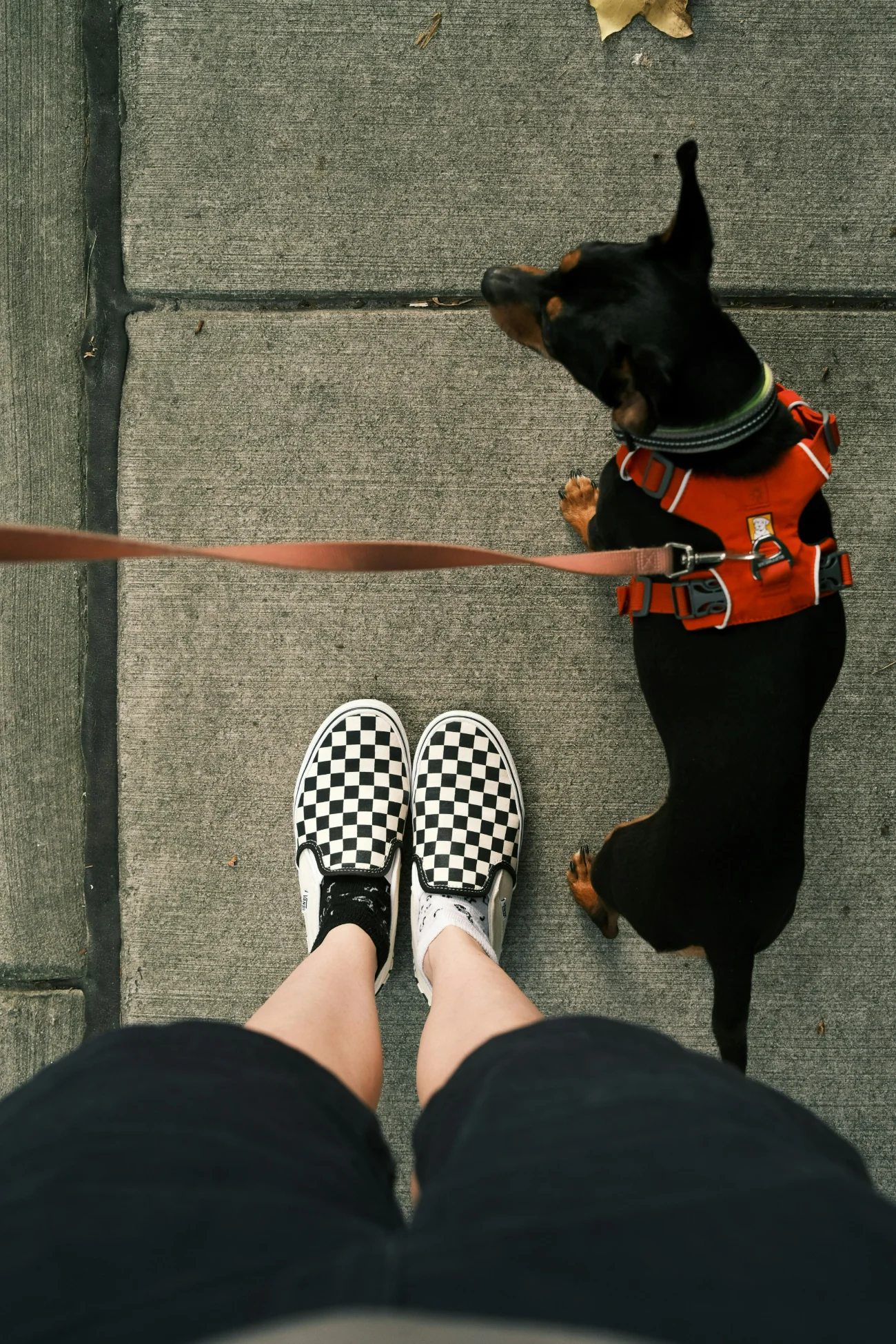
There is something quietly profound about what structure does for an animal.
A dog that knows when it will go out, when it will eat, when it will play — that dog is fundamentally different from one whose days are uncertain. Calmer. More trusting. Easier to live with. Happier in the particular way that comes from feeling secure in a predictable world.
The ideal day isn't complicated. An active morning walk of thirty to forty-five minutes with genuine freedom to sniff — not a brisk power-walk where the dog barely touches the ground. A midday break, short, functional, playful. A longer late-afternoon walk that allows for real social encounter, real physical output, real decompression. And a brief, calm walk before sleep.
🌺 On the Subject of Sniffing
Ten minutes of free, uninterrupted sniffing is the mental equivalent of thirty minutes of running.
If your dog seems perpetually unsettled despite getting plenty of exercise, it's almost certainly lacking olfactory stimulation rather than physical distance. Sniffing is how a dog processes its world — the neighborhood newspaper, read through the nose in detailed slow time. When we rush past it in the service of our own pace, we take something real away.
Slow down. Let them read.
The walk is not an errand. It's the thing itself.
🥇 Three Routes, Not One
The most common mistake of the urban dog owner isn't lack of time or commitment. It's the single route walked the same way every day.
Comfort for you. Monotony for them.
Designing at least three distinct walking routes — with different surface textures, different levels of stimulation, different points of canine interest — is one of the simplest forms of enrichment available, and it costs nothing but a few minutes of planning. Vary the mornings. Occasionally turn left where you always turn right. Let them lead for a block.
The neighborhood you think you know has corners you haven't seen yet.
The Art of Coexisting
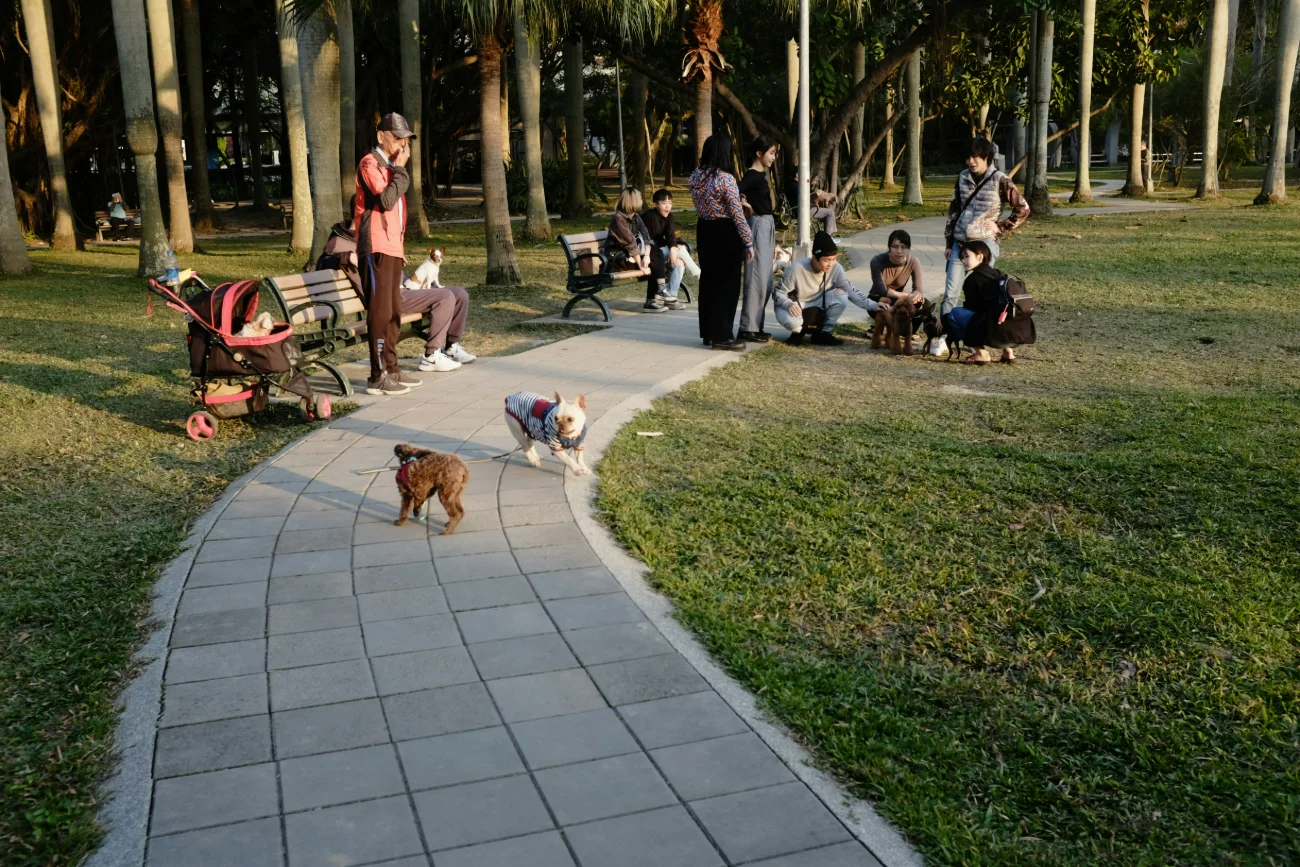
Most conflicts between neighbors about pets are preventable.
Not through perfect behavior — animals don't offer that, and neither do people. But through the kind of low-friction, high-consideration approach that makes communal life work in dense spaces.
The elevator, for example, is a small shared world. A short leash. A dog held close rather than allowed to jump freely at whoever enters. An offer to take the next one if someone looks uncomfortable. These aren't large gestures. They're the small grammar of urban coexistence, and they build the kind of goodwill that makes everything else easier.
When a dog barks continuously while its owner is away, that's separation anxiety — a real behavioral condition with real solutions. The answer is not telling yourself the neighbor will adjust. The answer is addressing the root cause before the formal complaint arrives.
🐾 When Conflict Comes Anyway
Sometimes, despite everything, it does.
Listen first. Completely. Without formulating your response while they're still speaking. Fifty percent of conflicts dissolve at this stage — when the other person feels genuinely heard, the temperature drops.
Acknowledge what's real. If the complaint has a legitimate basis, say so. Honesty earns more than defensiveness ever will.
Offer a specific solution with a timeframe. Not "I'll try to do better" — that's a placeholder, not a commitment. Something concrete: a behavioral consultation scheduled for next week, a different morning walk time to avoid an overlap. Timelines demonstrate intention.
If resolution isn't possible between two people, municipal mediation services exist in most cities, are free, and are infinitely preferable to legal escalation.
A Year of Walks
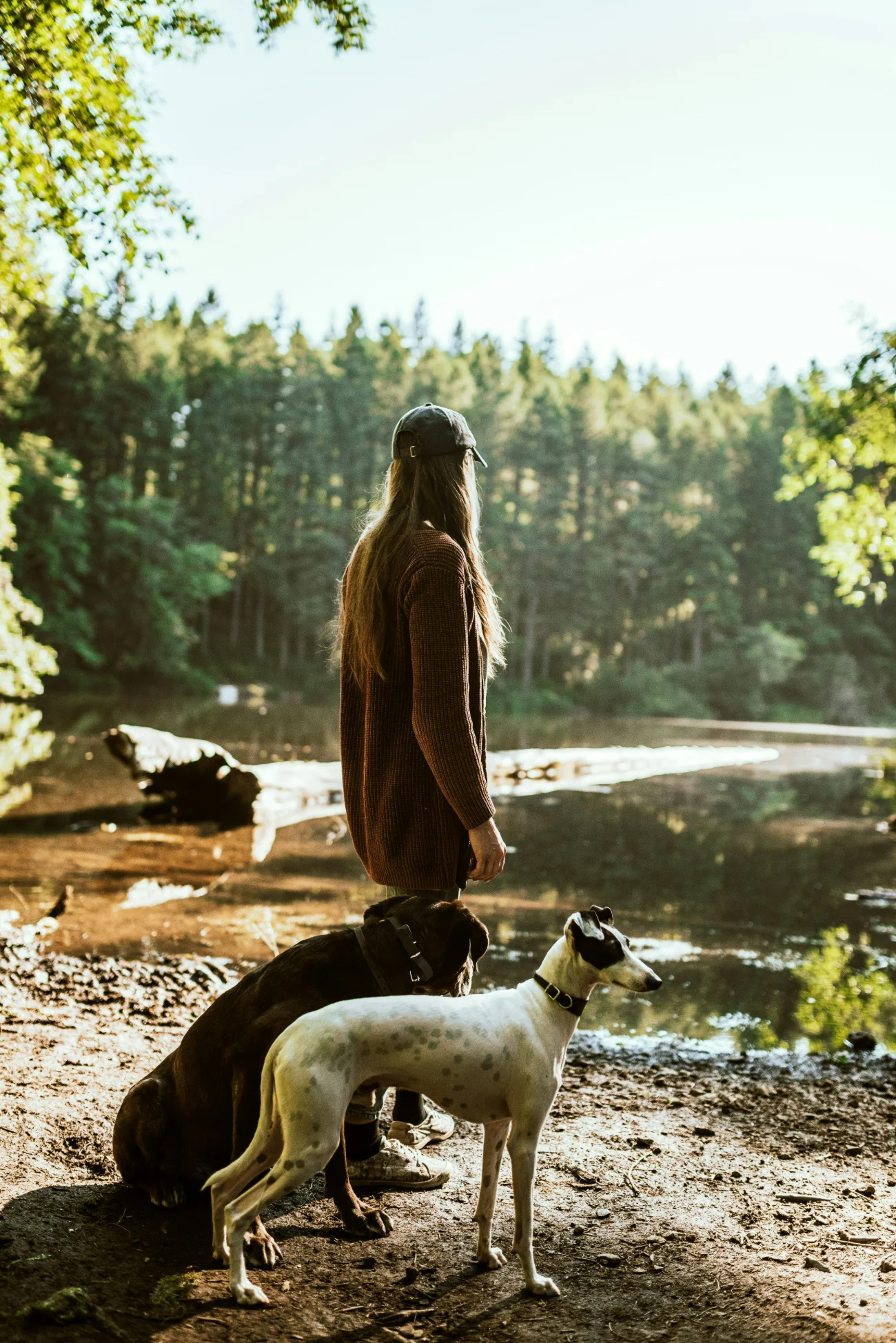
The city changes with the seasons. The walk changes with it.
☀️ Summer is the season that demands the most attention. Asphalt in direct sun can reach temperatures that cause serious burns on paw pads — if you can't hold the back of your hand against the surface for five seconds, it's too hot to walk on. Before nine in the morning. After eight in the evening. Always with water. Always with shade in mind.
Brachycephalic breeds — Bulldogs, Pugs, Pekingese — are not built for summer heat in any real sense. Short walks. Air-conditioned rest. Close watching. The signs of heatstroke appear faster than most people expect.
🍂 Autumn is a gift.
If pressed to name the peak season for dog owners, nearly everyone who has lived it chooses October. The temperature has released. The parks have emptied. The light is low and warm and generous. Routes that were impossible in July become a genuine pleasure. Use it. Explore. Take the longer way home.
Check parasite prevention through November — ticks remain active well past the first cold nights in most regions. Stay alert to chestnuts and wild mushrooms, some of which are toxic if ingested.
❄️ Winter asks something of the owner that summer doesn't: the willingness to go out anyway.
Dogs don't observe weather as a reason to stay in. Their need for movement and stimulation doesn't pause for rain or cold. What changes is how you go out — shorter but purposeful, layered for short-coated or older animals, thorough about drying paw pads and rinsing off the street salt that accumulates on winter sidewalks.
On the days when going out is genuinely not possible, enrichment indoors matters more than most people realize. A food puzzle. A scent game. A training session of ten minutes. The animal that seems fine with nothing to do is often simply managing quietly.
🌺 Spring is overwhelming in the best way.
New smells arriving simultaneously from every direction. More people on the street. More dogs in every park. The city waking up all at once. For most dogs, spring is sheer sensory abundance, and it shows in how they move through the morning.
In areas with pine trees, the processionary caterpillar is the season's serious hazard. These insects travel in tight, distinctive processions across the ground in late winter and early spring. Contact with the tongue or nose — which happens in seconds of inattentive sniffing — causes severe reactions, including tissue necrosis. Learn to recognize them. Create distance immediately when you see the formation. This is not a minor caution.
Finding Your People
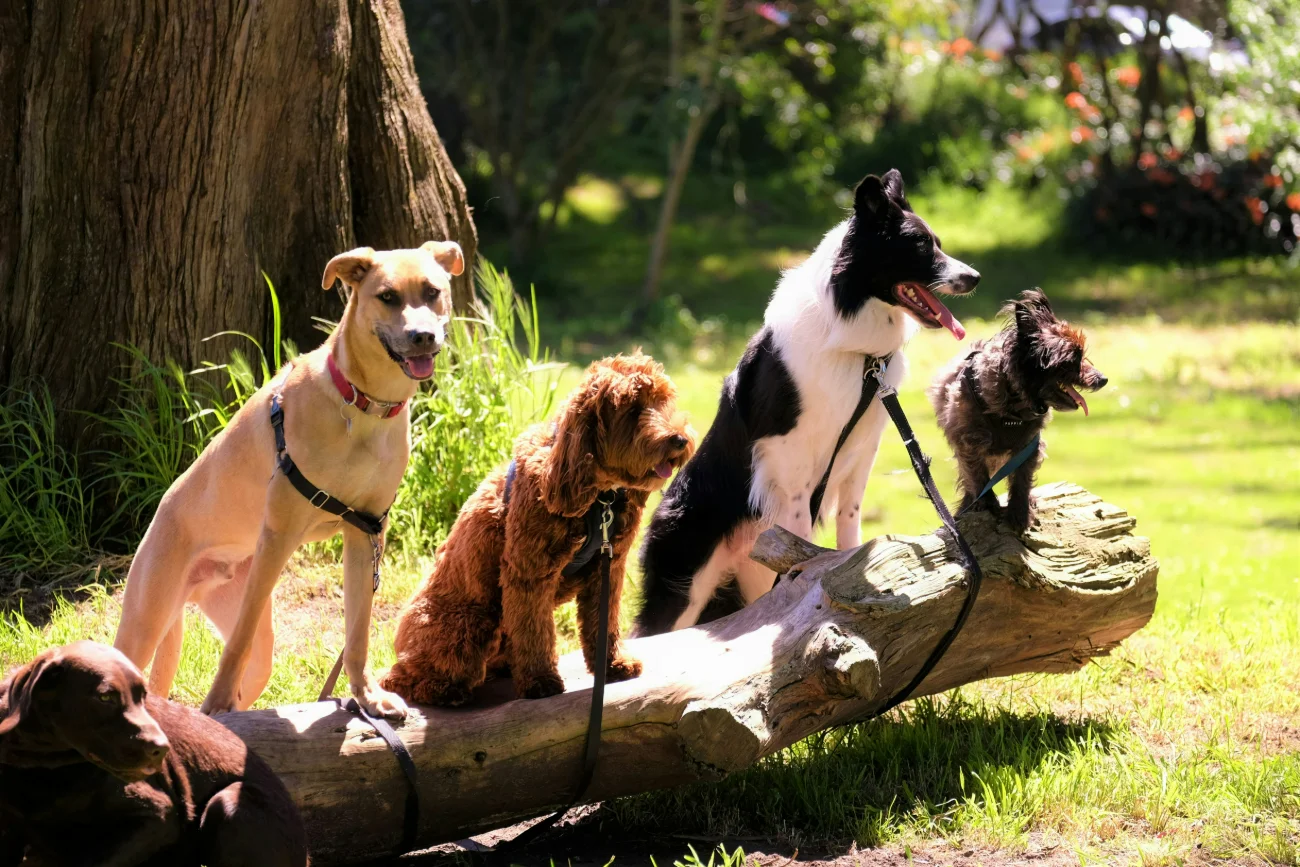
At some point, the single most valuable thing you can have as an urban pet owner isn't an app or a guide or even a great vet.
It's a community that knows what you're talking about.
People who understand without needing explanation. Who text you when they notice something off in the park. Who watch your dog for a night without it feeling like a favor that needs repaying. Who share the specific, hyper-local knowledge that doesn't exist in any search result — which route is currently muddy, which feeding station is being kept clean, which new business just quietly put a water bowl outside its door.
This community already exists in most neighborhoods. It just doesn't announce itself.
It's built through repetition: going to the same park at the same time until the faces become familiar, until familiar becomes warm. It lives in messaging groups that started as practical tools and became something more. It deepens through events — the market morning, the impromptu group walk, the informal dog meetup that no one officially organized but everyone showed up for.
You don't find this community by looking for it. You find it by showing up, consistently, in the places where it already gathers.
SNIFR exists to make that easier. To let you see what's happening at the park two blocks over. To connect you with the person who has the same breed and the same questions and lives, improbably, on your street. To give the community that already exists a place to be more of itself.
What the Law Expects
None of this is complicated. But not knowing it is costly.
Every dog in Spain requires a microchip — without one, your animal is legally invisible if it gets lost. Municipal registration in most cities must happen within three months of ownership. Rabies vaccination is required in the majority of autonomous communities. A leash is mandatory in all public spaces outside designated off-leash areas. Waste must be collected on all public ground, with fines reaching five hundred euros in some municipalities.
For breeds classified as potentially dangerous — a list that includes Pit Bulls, Rottweilers, Dogo Argentinos, and several others — requirements are more specific: a municipal license, third-party liability insurance with a minimum coverage of one hundred twenty thousand euros, a muzzle in public spaces, and a non-extendable leash under two meters. These are not optional. Failure to comply can mean the animal is removed.
The Animal Welfare Law of 2023 is still being developed through regional regulation. Several autonomous communities are actively adapting their ordinances. The details shift. The principle doesn't: responsible ownership means staying informed, because regulations change and ignorance has a price.
SNIFR tracks relevant changes as they're confirmed and communicates them through the platform. It's one less thing to monitor alone.
What to Carry
The walk that goes wrong is almost always the one where something was left behind.
Every time out: a minimum of three waste bags — Murphy's Law applies here with particular enthusiasm — water for the animal, a collapsible bowl or bottle with an integrated dispenser, a high-value treat for emergency recall situations, and an identification tag on the collar with a phone number that is actually current.
For longer outings, add hydrogen peroxide and gauze, tick tweezers, basic bandaging material, insect repellent formulated for animals, and a food snack for anything exceeding two hours.
Two books that belong in every urban dog owner's home: The Other End of the Leash by Patricia McConnell — the clearest, most humane writing on canine communication available — and How to Speak Dog by Stanley Coren, for the practical language of body signals and what they actually mean in daily life.
The City That Belongs to You Both
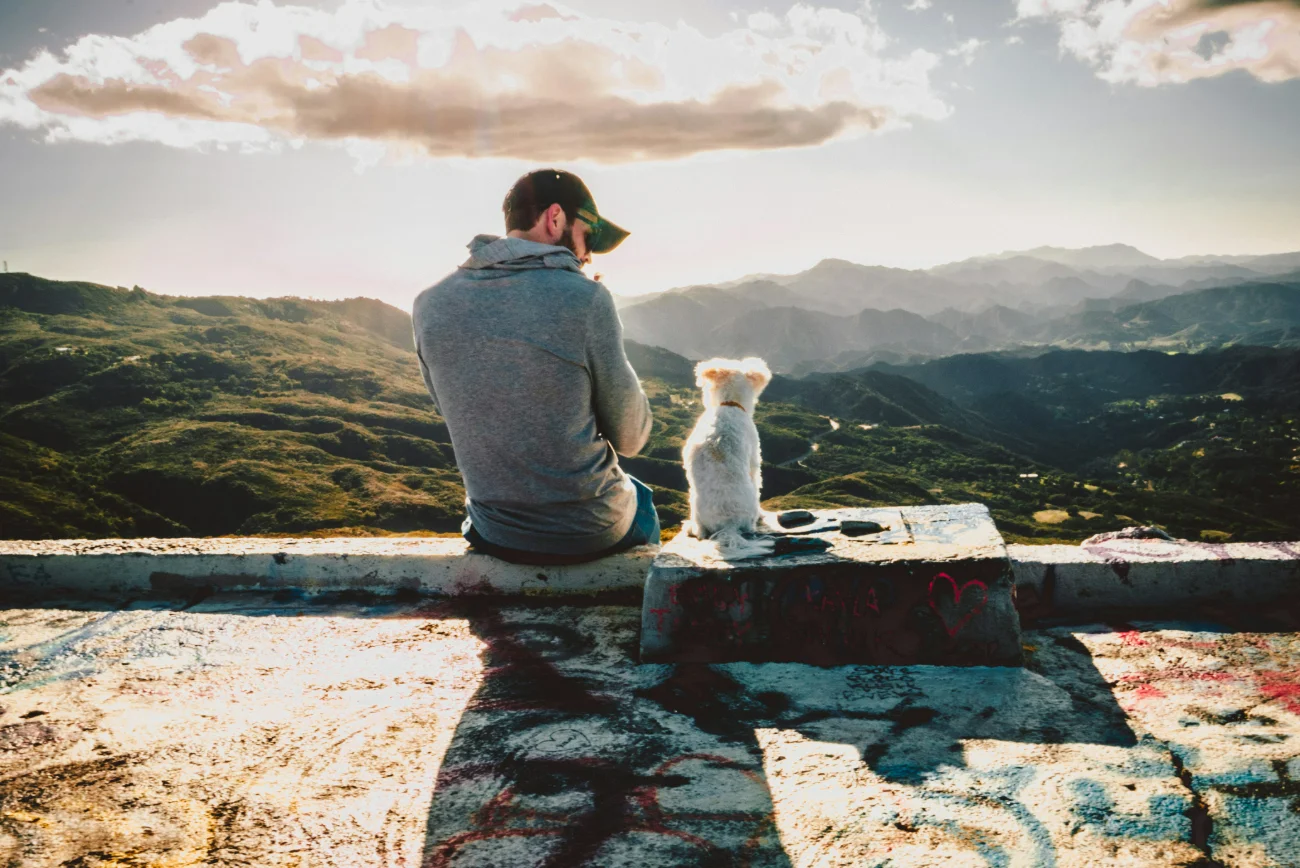
We've been through a great deal together in these pages. The sociology. The services. The seasonal adjustments and the difficult neighbor conversations and the regulatory fine print.
But underneath all of it, there is one thing worth carrying forward.
Living the neighborhood with a pet is not an obligation. It is not a sacrifice of convenience for the sake of an animal's needs. It is one of the most complete and human ways to inhabit a city that exists.
Your pet gives you a reason to go outside before you're ready. To take the long route. To stop when something is interesting rather than when you're running late. To know the name of the person walking toward you, and to have them know yours.
In a world that rewards speed and efficiency, that knows exactly what you'll watch next and delivers whatever you need before you've finished wanting it, the walk with a dog is something almost radical in its simplicity.
It is unhurried. It is local. It is relational.
The city becomes a place you belong to — not just a place you pay rent in.
SNIFR was built on a single conviction: cities are better when they're more animal-friendly. Not as an aesthetic preference. As a genuine belief about what makes urban life worth living.
They become more animal-friendly the way most things worth having become: through people who decide to live that way. Who build small communities, support the businesses that welcome their animals, know what's expected of them and follow through on it, and show others — by simply going out every morning with their dog — what this kind of city life looks like when it's done well.
This guide is updated each quarter. If something has changed in your neighborhood, if you've found a service worth sharing, if you have a piece of local knowledge that someone else could use — write to us. The best version of this is the one we build together.
🐾 SNIFR — the platform where urban pet owners discover, connect, and build the city they want to live in.
snifr.com · @snifr_app